The Role of Testosterone in Hair Loss and How to Regain Control
Understanding Testosterone’s Impact on Hair
Testosterone is naturally converted into dihydrotestosterone (DHT) by the enzyme 5-alpha-reductase. This hormone binds strongly to hair follicles and gradually shrinks them, leading to thinner, weaker strands until growth eventually stops.
The effects of DHT are most visible in individuals with a genetic predisposition, making it the primary cause of androgenetic alopecia in both men and women.
- Male Pattern Baldness (MPB): Usually presents as a receding hairline and thinning at the crown.
- Female Pattern Hair Loss: More common in women with hormonal imbalances such as polycystic ovary syndrome (PCOS), often seen as thinning at the top of the scalp.
Key Factors to Consider
- Genetics: A family history of hair loss increases the likelihood of androgenetic alopecia.
- Hormonal Imbalances: Conditions like PCOS, or external testosterone use (such as hormone therapy or bodybuilding injections), can elevate DHT and accelerate hair loss.
- Lifestyle & Health: Stress, diet, and overall wellness also influence how hormones affect hair.
Effective Treatments at HMR
At Hair Medical Restoration (HMR) in Tijuana, we design customized treatment plans that address testosterone-related hair loss from multiple angles:
- DHT Blockers: Medications like Finasteride reduce the conversion of testosterone into DHT, protecting hair follicles and slowing progression.
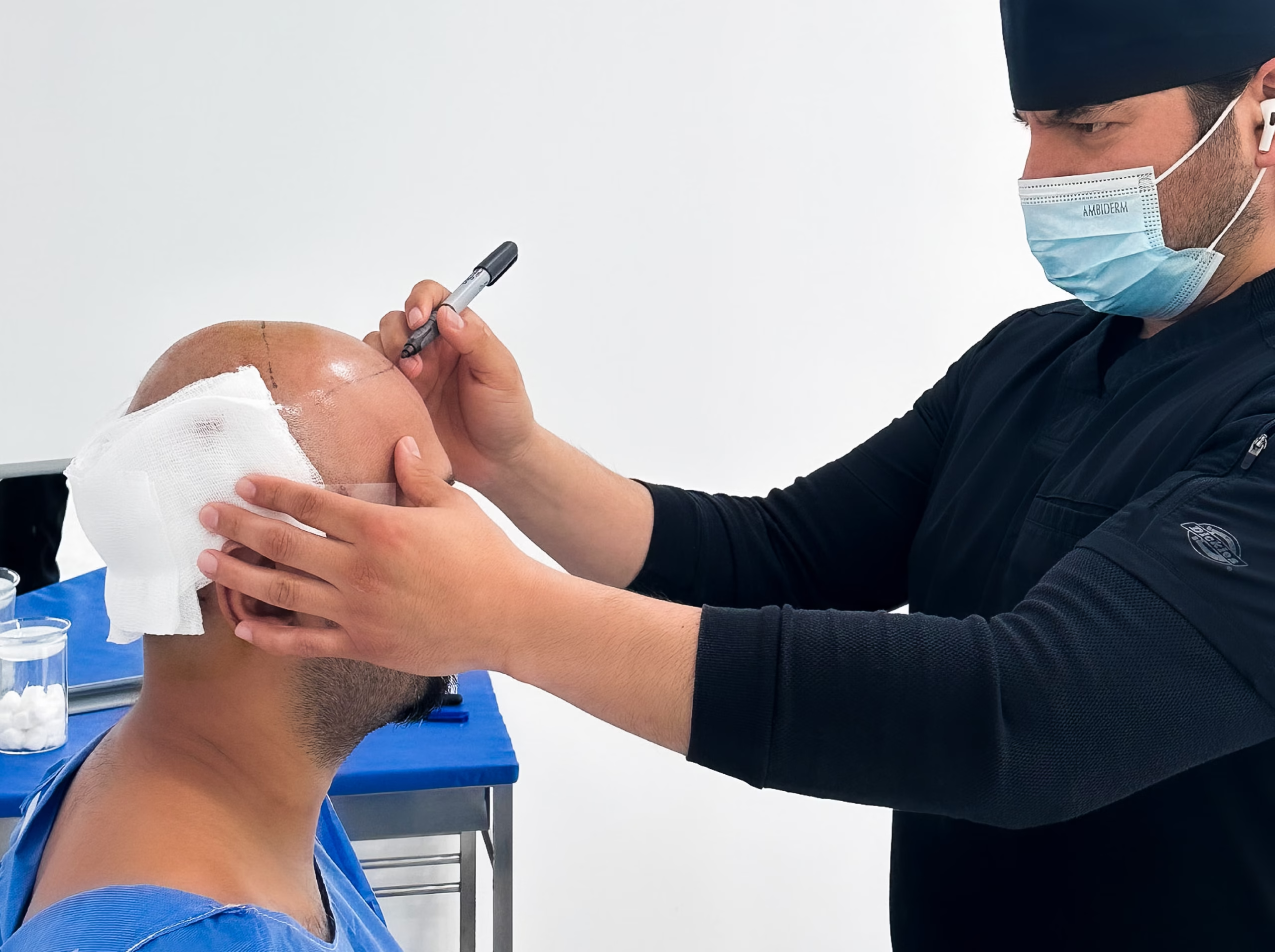
- FUE Hair Transplant: For advanced cases, Follicular Unit Extraction (FUE) is the most effective surgical method to permanently restore density and hairlines.
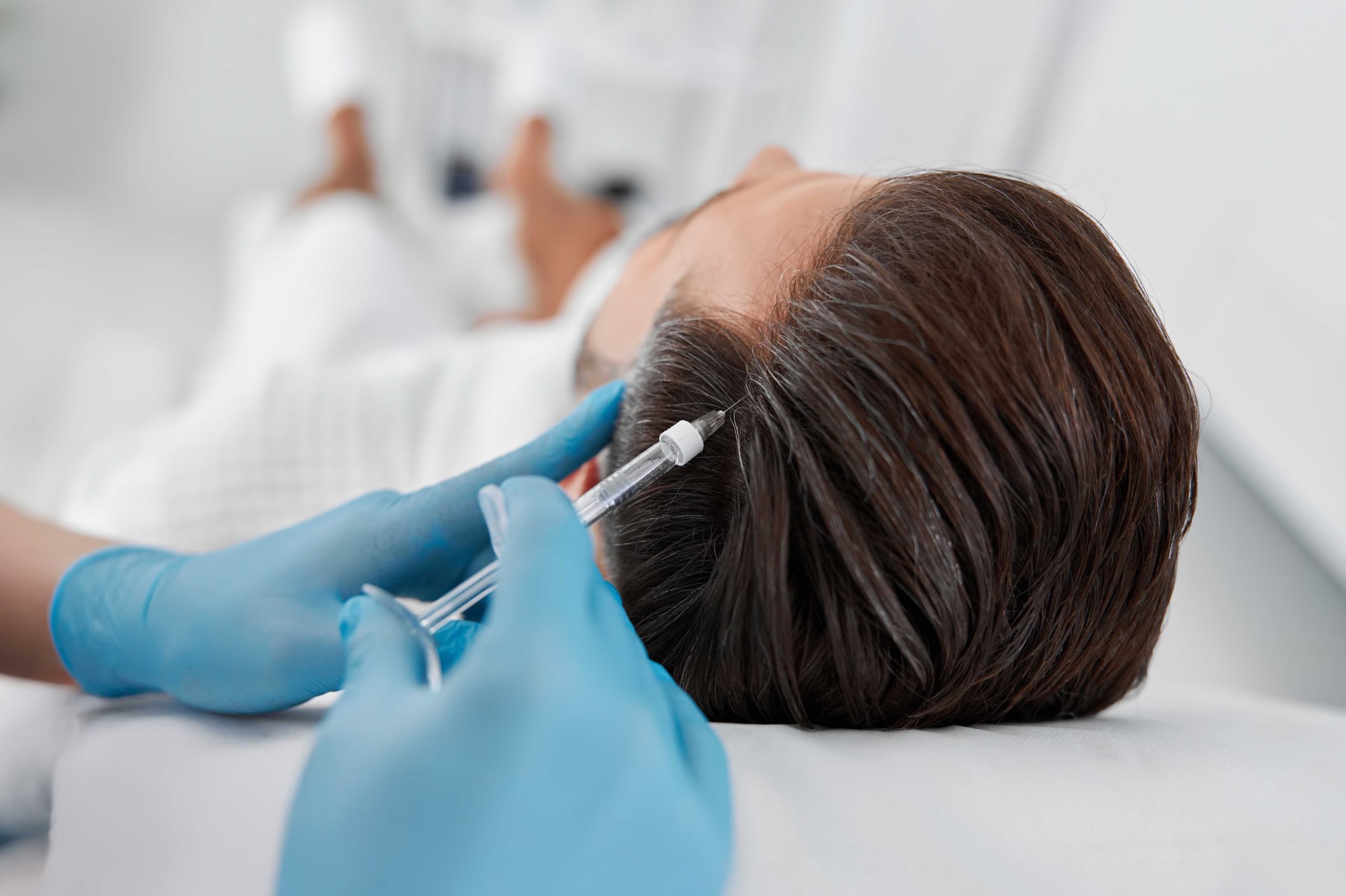
- PRP Therapy: Platelet-Rich Plasma (PRP) uses your body’s own growth factors to stimulate follicles and support regrowth naturally.
- Complementary Therapies: Nutritional support, exosome therapy, or mesotherapy can further enhance outcomes.
Proactive Steps You Can Take
- Monitor Hormonal Levels: If you suspect imbalance, testing is essential. At HMR, our consultations include a review of your hormonal profile to pinpoint the root cause.
- Early Intervention: The sooner treatment begins, the more hair can be preserved.
- Tailored Strategy: Our specialists work with you to choose the right plan—whether medical, surgical, or regenerative—to match your specific goals.
Conclusion
Testosterone-related hair loss is common, but it is manageable and treatable with the right strategy. Whether caused by genetics, hormonal imbalance, or medical therapy, HMR provides the expertise, technology, and personalized care to help you regain control.
Book your consultation today at HMR Tijuana and let us guide you through a treatment plan that restores not only your hair—but also your confidence.
Ready to Restore Your Hair?
Take the first step with confidence.
Book your free video consultation with one of our expert doctors at Hair Medical Restoration and get expert advice, a personalized plan and clear answers, all tailored to you.
✅ Hair Medical Restoration is committed to delivering world-class care, personalized treatments, and natural results.
Your new hair starts here.